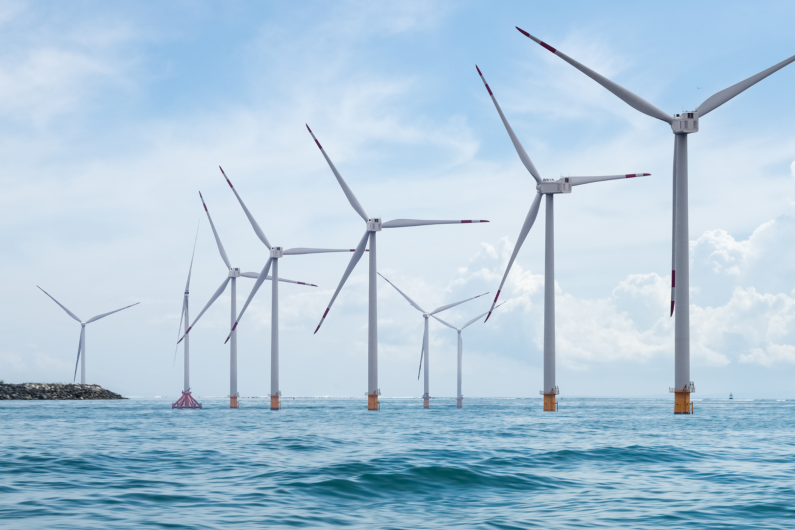
Floating Offshore Wind

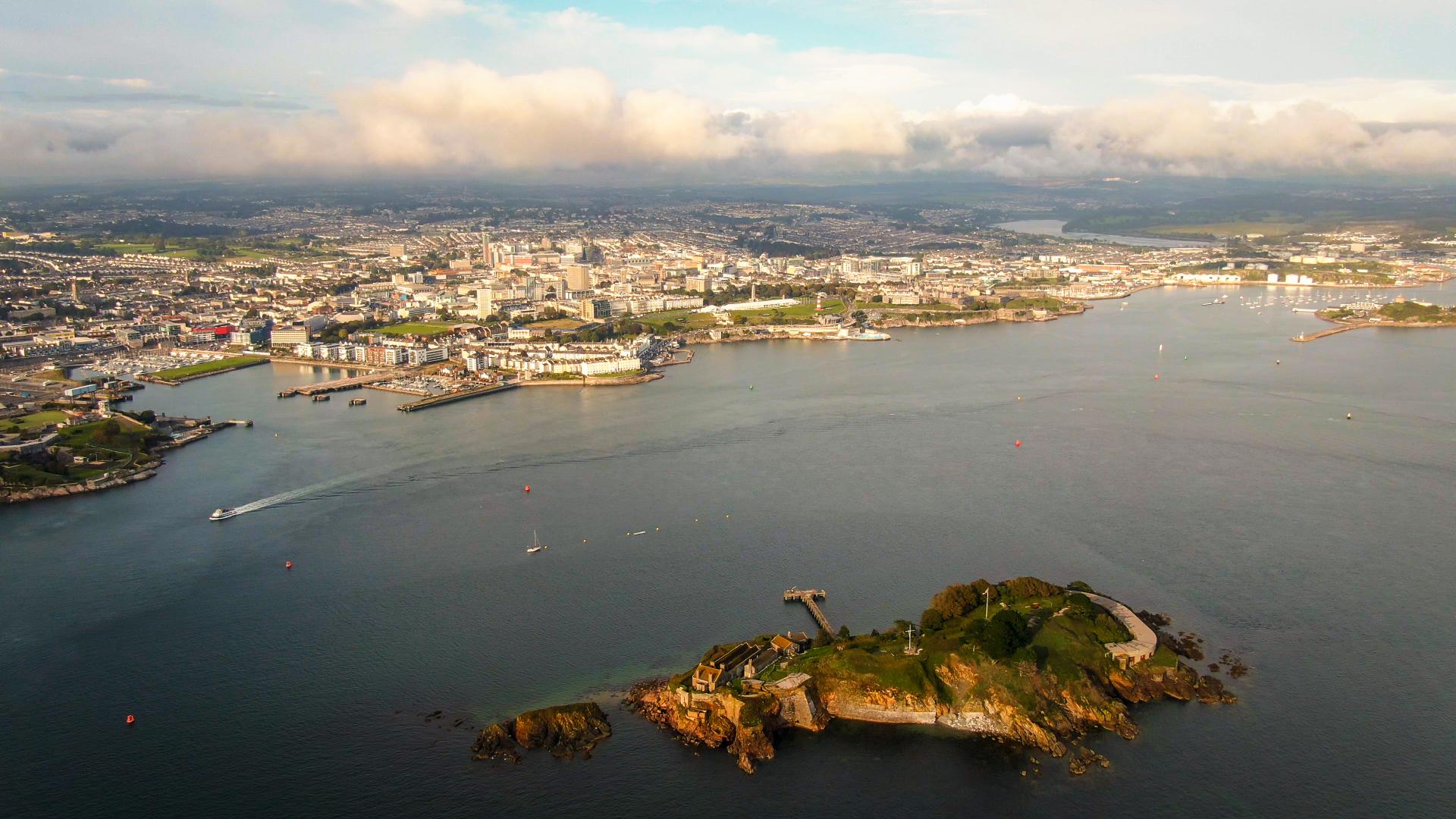
Plymouth is strategically located on the South Coast of England with clear steaming routes to the Western Approaches. It is the largest and best-connected city in the Great South West area with robust rail, road, and sea connections.

With a variety of wharfs, docks and marina facilities all sheltered by the natural harbour of Plymouth Sound and two breakwaters, the city is home to the most comprehensive shore side marine offering in the South West. Its significant manufacturing and engineering capabilities Plymouth becomes the ideal place for serving many aspects of the planned floating offshore wind developments in the Celtic Sea.
Port capabilities

Plymouth’s long maritime heritage and extensive port infrastructure make it a key location for developing floating offshore wind in the South West. As the region’s largest commercial port, the city offers sheltered deep-water access, diverse berthing options, and well-developed cargo facilities. Key port assets include:

  • Barbican Landing Stage: Secure ISPS facility for commercial vessels and superyachts up to 65m, ideal for crew transfer operations near the historic Barbican.
  • Cattedown Wharves: 210m quay with berths for vessels up to 150m, offering dredged depths suitable for cargo and offshore supply.
  • Corporation Wharf: Cement terminal with regular European trade, offering a NAABSA berth for flexible cargo operations.
  • Millbay Docks: Tidal basin supporting ferry routes to France and Spain, with ro/ro and general cargo-handling capability.
  • Victoria Wharf: Multi-use facility handling over 500,000 tonnes of cargo annually, equipped for heavy lift and offshore energy project logistics.
  • Turnchapel Wharf: Marine business park focused on autonomy, research, and innovation in maritime technology.

A strong marina network supports crew transport and operational flexibility, including Sutton Harbour Marina, King Point Marina, Queen Anne’s Battery, Plymouth Yacht Haven, and Mayflower Marina.

Marine and maritime economy

Plymouth is recognised for marine engineering, naval architecture, fabrication, marine sciences, and cybersecurity. Local expertise covers subsea engineering, operations, workforce training, and cutting-edge technologies like hydraulics, condition monitoring, and composites.

The Future Autonomous at Sea Technologies (FAST) Cluster brings 40+ collaborative organisations together, accelerating marine autonomous systems via surface vehicles, subsurface platforms, remote operations, and Smart Sound Plymouth. Industry, academia, and government drive innovation through a triple-helix approach.

Specialist training in shipping, navigation, and autonomy

Plymouth offers extensive maritime training that supports the growth of offshore wind and marine autonomy.

The University of Plymouth provides accredited courses in shipping, logistics, and navigation, combining academic study with simulator and vessel-based experience.

Fugro operates a global training centre for ROV and subsurface operations, delivering IMCA-accredited courses in marine robotics and survey work.

SeaRegs and Western Maritime Training complement this by offering practical, internationally recognised programmes for seafarers and maritime professionals, from entry level to advanced command.

Centre of excellence for marine science

Plymouth leads the UK in marine science, research, and innovation, bringing together world-class institutions, laboratories, and research programmes that drive sustainable ocean technologies and support floating offshore wind development.

Marine Research Plymouth brings together the Marine Biological Association, Plymouth Marine Laboratory, and the University of Plymouth in the UK’s largest concentration of marine scientists. The partnership advances ocean sustainability and environmental monitoring. The University of Plymouth, home to the country’s first and largest Marine Institute, leads global research on marine life, floating offshore wind, and maritime cyber resilience. Plymouth Marine Laboratory applies AI and machine learning to marine sustainability and oversees the Western Channel Observatory, the world’s longest-running ocean dataset.

Cutting-edge testing and technology are anchored by Smart Sound Plymouth, the UK’s leading maritime autonomy proving ground. Covering over 1,000 km², it supports surface, subsurface, and aerial system trials. The Collaborative Offshore Renewable Energy Subsea Systems (COSS) research accelerator, created by ORE Catapult and the University of Plymouth, enables advanced testing of floating offshore wind structures. Complementing these is the Cyber Resilience of Offshore Wind Networks initiative, improving the digital security of offshore energy systems.

The Plymouth and South Devon Freeport encourages investment in clean maritime, manufacturing, and defence technology, offering tax and customs incentives to support innovative growth. The Regulators Pioneer Fund, developed with local authorities and universities, is shaping new standards for autonomous and zero-emission vessels, reinforcing Plymouth’s position as a leader in next-generation maritime governance.

The National Centre for Coastal Autonomy operates fleets of autonomous vessels that deliver real-time coastal data for research, energy, and aquaculture while training future marine scientists. The Supergen Offshore Renewable Energy Hub complements this work by connecting industry, academia, and policymakers to advance wind, wave, and tidal technologies that deliver national progress toward Net Zero.

Specialist companies

Floating offshore wind

Find out more about the Floating Offshore Wind sector in Plymouth.

Get in touch

If your business is involved with floating offshore wind and you’re looking to grow or relocate to Plymouth, our Invest Plymouth team can help. Contact us today to explore the tailored support and opportunities available in this industry.